






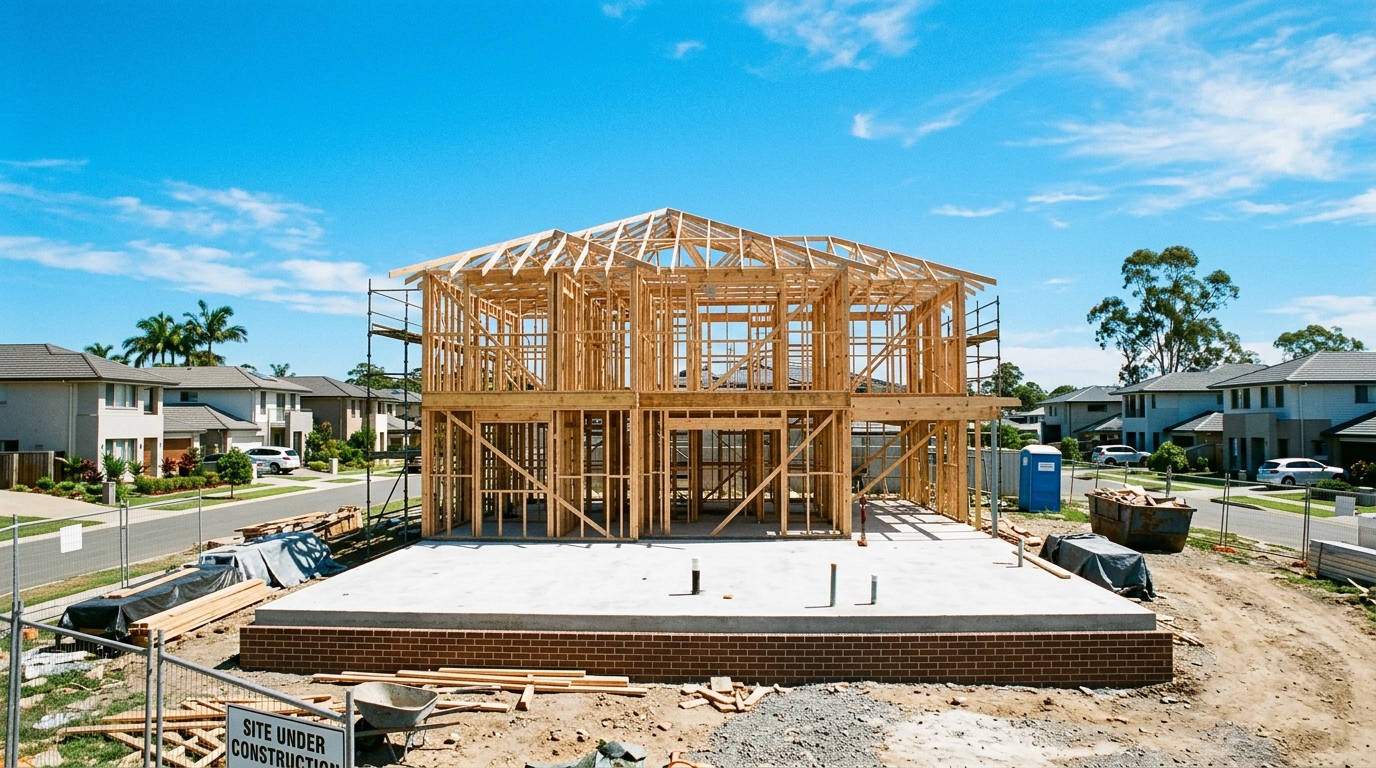
Construction Home Loan
Building a home is one of the most significant financial commitments you’ll make, and a construction home loan works very differently to a standard mortgage. Getting the structure right from the start means your finance keeps pace with your build, your cash flow stays manageable, and you’re not scrambling for funds when your builder hits the next milestone.
Inovayt’s construction loan specialists compare options across 40+ lenders and provide independent advice built around your project, your income, and your timeline.
How a Construction Home Loan Works
A construction home loan in Australia is not released as a lump sum at settlement. Instead, funds are drawn down in stages as your build reaches specific milestones. This is called a progress drawdown, and it means you only pay interest on the amount that’s been drawn at each point, not the full loan amount from day one.
This structure significantly reduces your interest costs during the build period compared to a standard home loan, and it gives lenders visibility over the project’s progress before releasing the next tranche of funds.
The Stages of a Construction Loan
Most construction home loans in Australia follow a standard drawdown schedule tied to these build stages:
At each stage, your builder submits a progress claim and your lender arranges a valuation before releasing the next drawdown. Our Inovayt mortgage brokers manage this process on your behalf, so you’re never left waiting on paperwork when your builder is ready to move.
Once construction is complete, your loan typically converts to a standard variable or fixed home loan depending on the product you selected at the outset.

What our clients say


Construction Home Loans for Every Build
Inovayt finances construction projects across a wide range of build types. Here’s what we work with.
New Builds and House and Land Packages
House and land packages are one of the most common starting points for construction finance in Australia. The land and construction components are often financed separately and settled at different times, which requires careful coordination between your broker, lender, and builder.
Our team manages that process so nothing falls between the cracks.

Knock-Down Rebuild
Knocking down an existing home and building new on the same block is an increasingly popular option, particularly in established suburbs where land is scarce. Financing a knock-down rebuild involves specific considerations around demolition costs, council approvals, and the transition between your existing loan and the construction facility. Our bridging loans can help if you need to manage the gap between properties.
Major Renovations
Significant structural renovations, such as adding a second storey, extending the footprint, or a full renovation, can be financed through a construction loan structure in some circumstances.
The key is demonstrating to the lender the scope of works, a fixed-price building contract, and council-approved plans. We assess which lenders are most comfortable with renovation projects and structure your application accordingly.

Self-Employed and Low-Doc Borrowers
Self-employed borrowers face additional complexity when applying for construction finance. Income verification requirements vary between lenders, and some are considerably more flexible than others when it comes to tax returns, business financials, and alternative income documentation.
Our self-employed home loan specialists know which lenders assess variable income most favourably and how to present your application in the strongest possible light. A guarantor home loan may also be an option worth exploring if your deposit position needs strengthening.
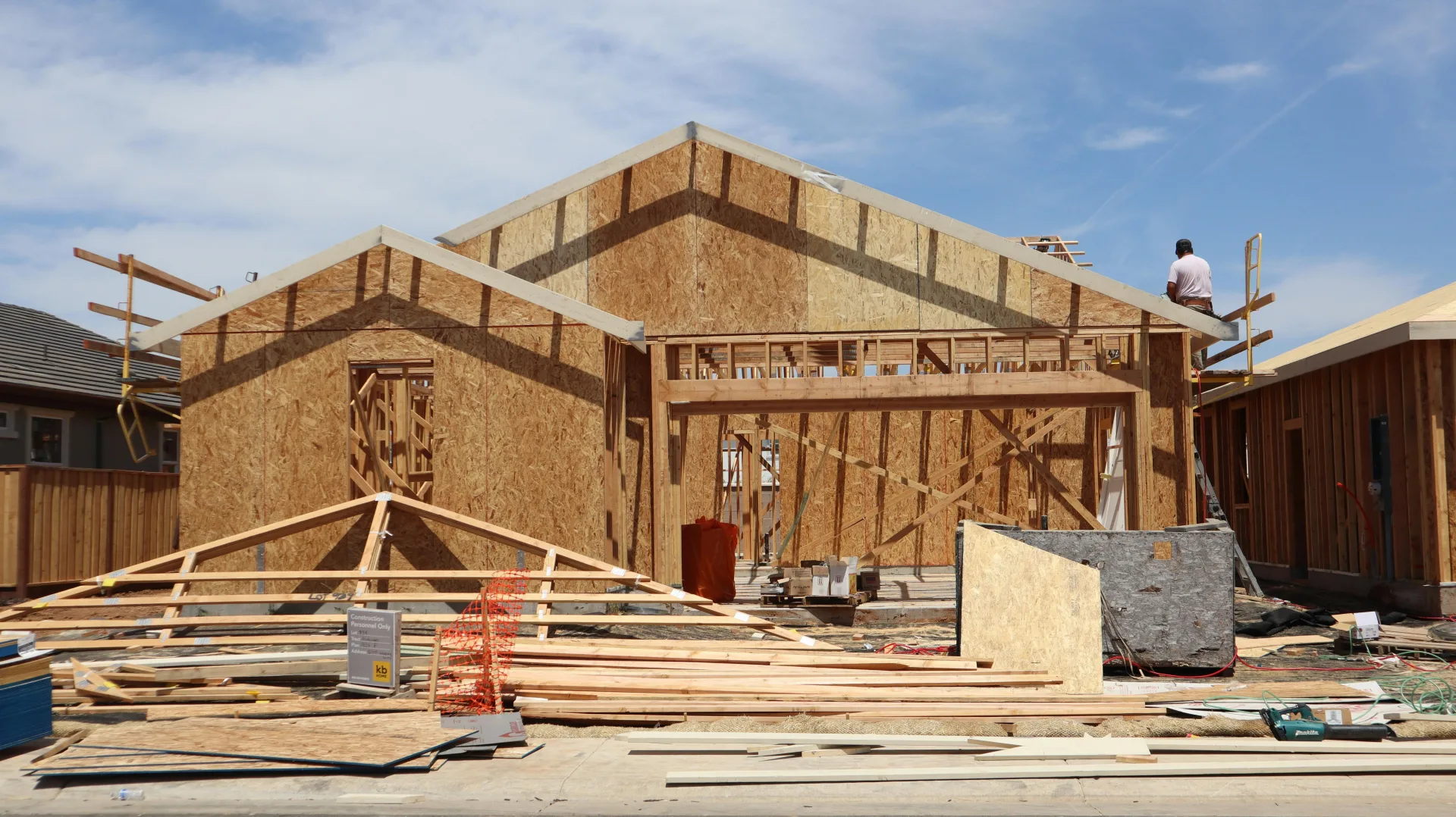
Why Builders Use a Mortgage Broker
Going directly to your bank for a construction home loan in Australia means seeing one lender’s products, assessed against one set of criteria, with no independent advocate in your corner.
Here’s why Australians building new homes choose Inovayt instead.
- Access to 40+ lenders: Not all lenders offer construction finance, and those that do have very different policies around builder approval, drawdown schedules, and acceptable build types. We know which lenders suit which projects.
- Progress drawdown expertise: Managing drawdown requests, valuations, and lender communication during a build is time-consuming. Our team handles it so you can focus on the build itself.
- Complex income experience: Construction projects attract a high proportion of self-employed and variable income borrowers. Our construction home loan brokers understand how to structure these applications effectively.
- Truly independent advice: Inovayt is independently owned and has no ties to any bank or lender. Founded in 2007, our recommendations are based entirely on experience and your goals.
- Free service: In most cases, our brokers are paid by the lender on settlement. Your consultation and ongoing support throughout the build cost you nothing.
Our construction loan brokers in Melbourne and construction loan brokers in Sydney provide the same independent, specialist service in their local markets.
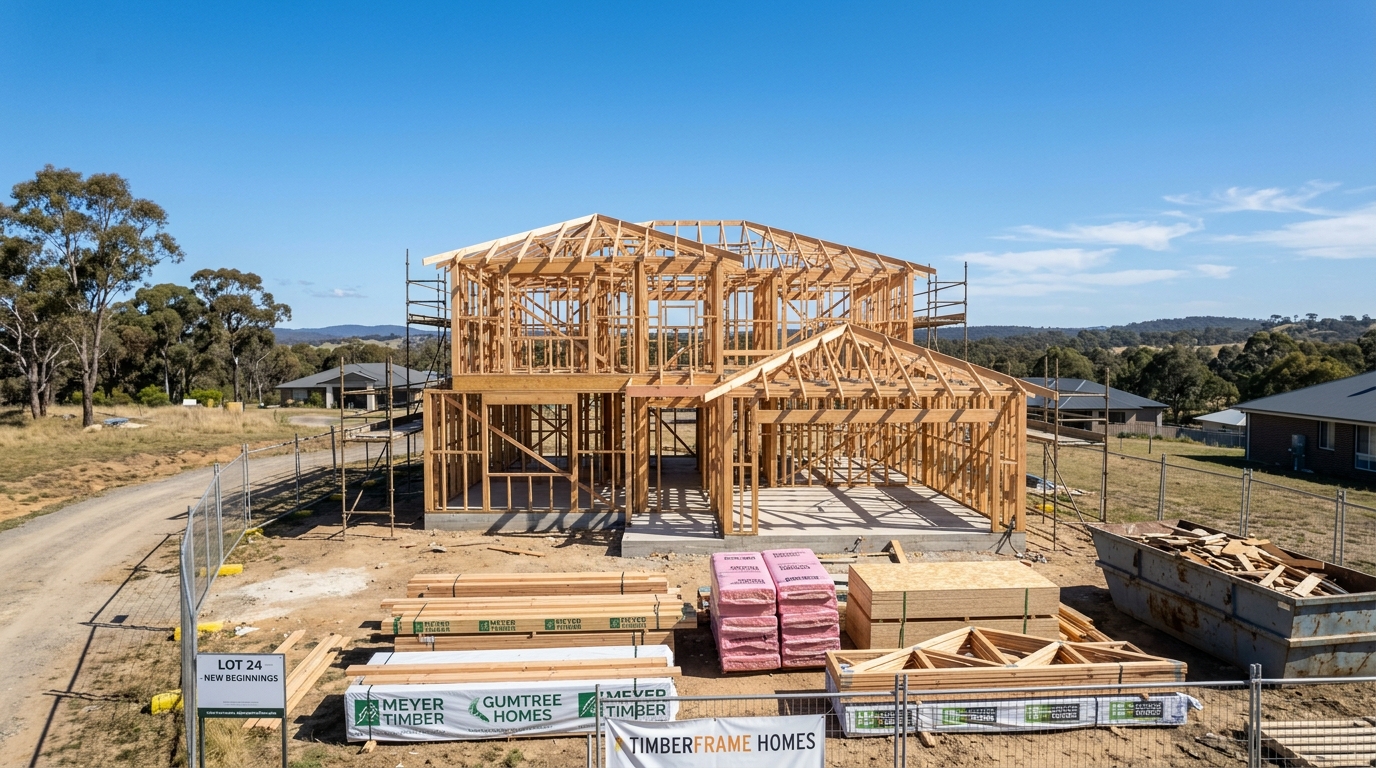
Frequently Asked Questions
A standard home loan releases funds in full at settlement. A construction home loan releases funds progressively in stages as your build reaches each milestone. You only pay interest on the amount drawn at each stage, which reduces your holding costs during the build period.
Most lenders require a minimum 5% to 20% deposit for construction finance. Borrowing above 80% of the property’s end value will typically require Lenders Mortgage Insurance. A guarantor home loan can help buyers who haven’t yet reached a 20% deposit access construction finance sooner.
Yes. Most lenders require a signed, fixed-price building contract from a registered builder before they’ll approve a construction home loan. This gives the lender certainty over the total build cost and project scope.
Yes. Self-employed home loans for construction purposes are available through a range of lenders, though the documentation requirements vary. Our brokers work with lenders who understand variable income and can assess self-employed applications on their individual merits.
Cost overruns are a common concern with construction projects. If your build costs exceed your approved loan amount, you’ll need to cover the shortfall from savings or explore whether your lender will approve an increase. Building in a contingency budget of 10% to 15% from the start is strongly recommended.
Yes. Knock-down rebuilds are financed through construction loan structures, though there are additional considerations around demolition costs and council approvals. Our brokers have experience with this build type and can structure your application to account for all project costs.



Find an Inovayt Finance broker near you
Why Choose Inovayt

Simple
We understand it can be daunting applying for finance, but it doesn’t have to be. Our experienced team can help you apply for all types of finance with little stress.

Flexible
We understand that everyone has different needs, schedules and availability. We’re happy to meet face to face, over the phone or online at a time that suits you.

Solutions-driven
Let us help you make your financial dreams a reality for now and into the future. Our end-to-end financial solutions can support you throughout any stage of your life journey.
