


Is Rent Money Dead Money? Renting vs Saving for a House
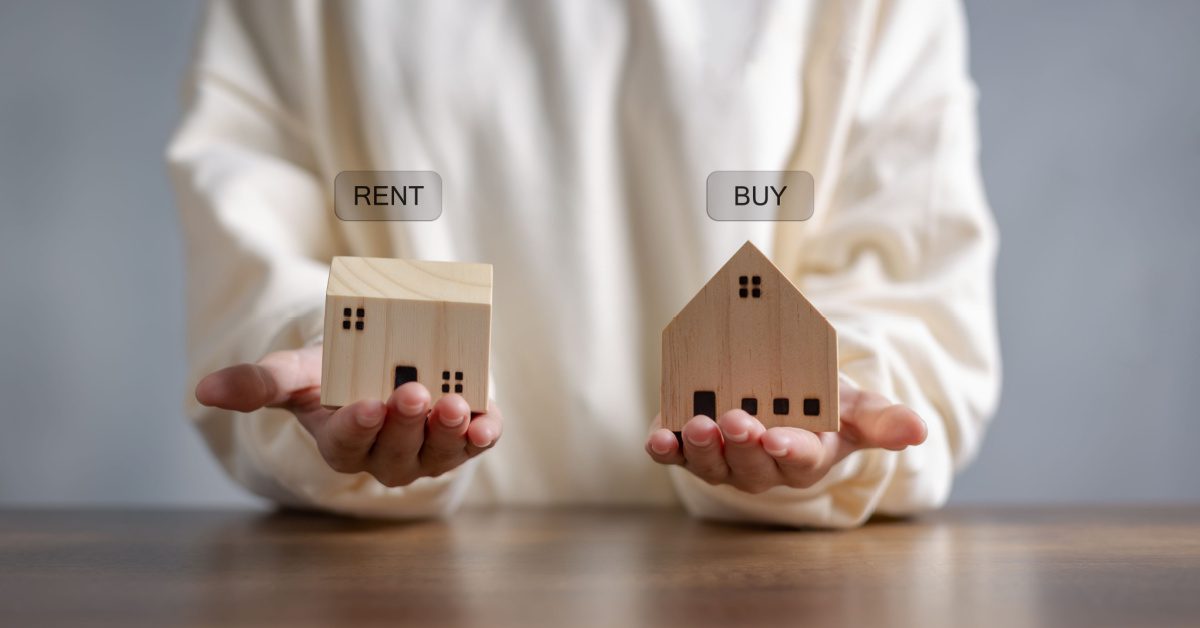
Your parents say you're throwing money away. Your friends who bought three years ago won't stop talking about their equity gains. Meanwhile, you're watching house prices climb further out of reach every quarter. So is it better to rent or buy a house in Australia right now – or is the answer more complicated than the 'rent money is dead money' mantra suggests?
Over the last several years, the renting vs buying decision in Australia has fundamentally changed. Property prices in Sydney, Melbourne, and Brisbane have risen 47.3% since 2020. But property isn't the only asset that builds wealth. Your deposit sitting in other investments – shares, ETFs, managed funds – could potentially generate returns that rival or exceed property appreciation over time. The critical question isn't whether rent is dead money. It's whether you're actually investing the difference.
Key Takeaways
- Rent isn't dead money if you're investing the savings – interest on a mortgage is just as 'dead' as rent
- In 2026, buying costs more monthly than renting in most capital cities, but you're building equity
- Renting makes sense when you need flexibility, can't afford a 20% deposit, or want to invest elsewhere
- Buying makes sense when you're ready to commit 5+ years, have saved a genuine deposit, and can service the loan comfortably
- Rentvesting (rent where you live, buy investment property elsewhere) is now considered by 54% of Australian first home buyers, up from 50% in 2024
Contents
- Is Rent Really Dead Money?
- The Real Cost Comparison: Renting vs Buying in 2026
- When Renting Makes More Sense
- When Buying Makes More Sense
- You're Committing to 5+ Years in One Location
- Rentvesting: The Middle Ground
- How to Save for a Deposit While Renting
- Making Your Decision: Is It Better to Rent or Buy?
- Get Expert Advice Before You Decide
- FAQs
Is Rent Really Dead Money?
No, and neither is the interest portion of your mortgage repayments.
The "rent money is dead money" phrase is marketing gold for property developers, but the maths tells a different story. When you rent a $600 per week property in Sydney, you're paying $31,200 annually for housing. But if you bought that same property at Sydney's median house price of $1.75 million in late 2025, you'd be paying approximately $105,000 annually in interest alone on an 80% loan at 6% – before adding rates, insurance, and maintenance.
That's $73,800 more in 'dead money' each year as a buyer.
What actually matters is what you do with the difference. If you're renting for $600 per week but would pay $2,000 per week in total ownership costs (mortgage, rates, insurance, maintenance), that's $1,400 per week you could invest elsewhere. Put that $72,800 annually into a diversified portfolio returning 8%, and you'd have built substantial wealth over a decade – potentially more than the equity you'd gain from owning.
The Australian share market has averaged returns of around 9.6% over the past 30 years. That's not a guarantee of future performance, but it's a reminder that property isn't the only wealth-building asset. Renting becomes dead money only when you're spending the surplus on lifestyle expenses rather than building assets. And mortgage interest becomes dead money when you're betting your entire financial future on one property in one suburb, potentially underperforming.
The Real Cost Comparison: Renting vs Buying in 2026
Let's break down what renting vs buying actually costs Australians right now, using real 2025/2026 data from the Australian Bureau of Statistics and CoreLogic and Sydney as an example.
- Median house price: $1.75 million (Domain, Q3 2025)
- Median weekly rent: $750
- 20% deposit required: $350,000
- Annual rent: $39,000
If you bought:
- Mortgage repayments (80% LVR, 6% rate, 30 years): ~$8,400 monthly = $100,800 annually
- Stamp duty (first home buyer with concession): ~$55,000 (one-off cost)
- Council rates: ~$2,200 annually
- Insurance: ~$1,800 annually
- Maintenance (budget 1% of property value): ~$17,500 annually
- Total first-year cost: ~$232,300 (including stamp duty and deposit)
- Ongoing annual cost: ~$122,300
Compared to renting at $39,000 annually, you're paying an extra $83,300 per year – and that's before factoring in opportunity cost on your $350,000 deposit.
When Renting Makes More Sense
Renting vs buying isn't about right or wrong – it's about right or wrong for your situation. Here's when renting is the smarter financial move:
You Need Geographic Flexibility
If your career could take you interstate in the next 3-5 years, renting protects you from selling costs. Transaction costs on property (stamp duty, agent fees, conveyancing) can easily hit 7-10% of the purchase price. Renting for $35,000 annually over those three years would cost you $105,000, but you'd avoid the risk of capital loss and maintain complete mobility for career opportunities.
You Can't Afford a Genuine 20% Deposit
Australian lenders now assess borrowing capacity at buffers 2-3% above your actual interest rate. If you're borrowing with less than 20% deposit, you'll pay Lenders Mortgage Insurance (LMI) – an extra $15,000-$40,000 depending on your loan size – and you'll likely face higher interest rates. This dramatically increases your 'dead money' in the form of interest and insurance premiums.
You're Investing the Difference Elsewhere
Here's where the maths gets interesting. If you're renting for $550 per week in Melbourne but would pay $1,500 per week in total ownership costs, that's $950 per week you can invest. That's $49,400 annually. Invest that at a conservative 7% return compounding over 10 years, and you're looking at approximately $700,000 in wealth – potentially more than the equity you'd build owning that same Melbourne property.
The catch? You actually need to invest it. If that $950 weekly is going towards overseas holidays, car upgrades, and lifestyle inflation, then yes – your rent money has become dead money.
The Market You Want Is Overvalued
Not all property markets grow equally. If you're targeting a market at peak prices with weak fundamentals (oversupply of apartments, no infrastructure investment, declining employment), renting gives you time to wait for a correction or find a better opportunity.
Property markets move in cycles. Buying at the peak of a cycle and watching values stagnate for five years means you've locked up your deposit and paid interest for zero capital growth. Sometimes the smartest property decision is deciding not to buy yet.
When Buying Makes More Sense
The renting vs buying in Australia equation flips when these factors align:
You're Committing to 5+ Years in One Location
Property transaction costs are front-loaded. You pay stamp duty, conveyancing, building inspections, and mortgage establishment fees upfront – often $40,000-$80,000 in total. These costs only make financial sense if you're holding the property long enough for capital growth to outweigh them.
You've Saved a Genuine 20%+ Deposit
This isn't just about avoiding LMI. A 20% deposit gives you borrowing power, better interest rates, and a buffer against market downturns. If you've genuinely saved that amount (not borrowed from family or used equity from another property), it demonstrates financial discipline, which usually translates into successful homeownership. You're also far less vulnerable to interest rate rises eating into your budget.
Your Rental Yield Meets or Beats Mortgage Interest Rates
This is rare in capital cities but common in regional areas. If you can buy in a market where the rental yield is 5-6% and mortgage rates are sitting at 6%, the gap is narrow enough that building equity makes sense. You're only marginally worse off monthly than renting, but you're building an asset.
You're Buying Below Market Value
Off-market purchases, motivated sellers, renovation opportunities, or undervalued locations can shift the equation dramatically. If you're buying a $900,000 property that's worth $1.1 million once renovated or once the area improves, you've immediately created equity that justifies the ownership costs.
This requires research, mortgage broker expertise, and often renovation skills, but it's how savvy first home buyers accelerate wealth building while others are still debating whether rent is dead money.
Rentvesting: The Middle Ground
Australian Bureau of Statistics data shows a 25% increase in first-home buyers opting for investment home loans since July 2019. They're not buying to live in – they're buying to invest while renting where they want to live. This strategy, called rentvesting, is now considered by 54% of Australian first-home buyers.
How Rentvesting Works
You rent in the suburb you love – maybe a beachside apartment in Bondi or a trendy inner-city Melbourne warehouse conversion.
Meanwhile, you buy an investment property in a high-growth or high-yield area you'd never want to live in. Your tenant pays most of your mortgage. You claim tax deductions on interest, depreciation, and expenses. The property (hopefully) grows in value. Eventually, you sell or refinance to buy your dream home.
Rentvesting offers a path into property ownership without sacrificing lifestyle or waiting another decade to afford inner-city prices.
The Tax Angle
Investment properties offer deductions that owner-occupied homes don't. You can claim:
- Interest on the mortgage loan
- Property management fees (typically 5-8% of rent)
- Council rates and insurance
- Repairs and maintenance
- Depreciation on building and fixtures
- Land tax (in some states)
If your investment property is negatively geared (costs more than rental income), you can offset that loss against your income and reduce your tax bill. Hold the property for 12+ months before selling, and you'll receive a 50% capital gains tax discount on any profit.
The Risks
Rentvesting isn't without downsides:
- You miss out on First Home Owner Grants in most states (these typically require you to live in the property)
- You're paying rent AND mortgage costs simultaneously, which hits cash flow
- You have no security of tenure as a renter – landlords can issue notice to vacate
- You need strong financial discipline to service both rent and investment costs
- Vacancy periods or problem tenants can blow your budget
How to Save for a Deposit While Renting
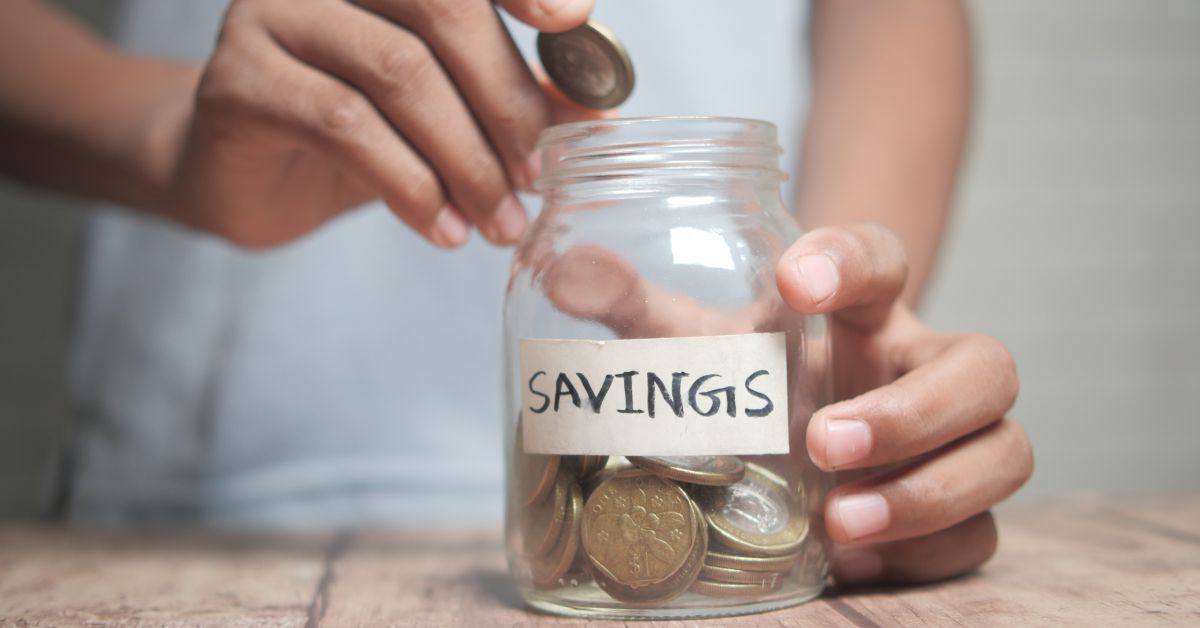
If you've decided buying makes sense, here's how to actually build that deposit while paying rent:
Set a Specific Target and Timeline
"Saving for a house" is too vague. "Saving $150,000 by December 2027" is specific. Break it into monthly targets. If you need $150,000 in 30 months, that's $5,000 monthly. Sounds impossible? It might be – which means you either extend your timeline, lower your target property price, or find ways to increase income.
Automate Your Savings Before You See Income
Set up automatic transfers on payday before you can spend it. Treat your deposit savings like a non-negotiable bill. Many Australian banks now offer automatic 'round-up' features that save the difference when you make purchases. These micro-savings add up. A $50,000 annual income with round-ups enabled can generate an extra $800-$1,200 annually without you noticing.
Consider a High-Interest Savings Account or Term Deposit
Most Australian banks offer bonus interest rates (currently 4.5-5.5% in early 2026) if you deposit a minimum amount monthly and don't make withdrawals. On a $100,000 balance, the difference between 0.5% and 5% is $4,500 annually. That's meaningful when you're racing to save before prices rise further.
Term deposits lock your money away for 6-24 months at fixed rates. They remove temptation to dip into savings and typically offer better rates than standard savings accounts. But read the fine print – you'll pay penalties for early withdrawal.
Maximise First Home Owner Schemes
The Australian government's Home Guarantee Scheme allows eligible first home buyers to purchase with just a 5% deposit without paying Lenders Mortgage Insurance. State governments also offer stamp duty concessions and grants for first-home buyers. In Victoria, eligible buyers can avoid stamp duty on properties up to $600,000. In NSW, first home buyers can choose between a stamp duty concession and paying an annual property tax instead.
These schemes can save you $15,000-$50,000, but they have strict criteria – usually requiring you to live in the property as your primary residence. That means rentvesting strategies won't qualify. Do the maths on whether accessing these schemes is worth the location compromise.
Cut Housing Costs Temporarily
This is where lifestyle choices matter. Moving back with parents, house-sharing, or relocating to a cheaper rental for 1-2 years can dramatically accelerate your savings. Yes, it requires sacrifice. But property ownership requires trade-offs somewhere – you're just choosing to make them upfront while renting rather than later when you're stretched thin on mortgage repayments.
Understand The Hidden Costs of Buying a Property
Most first home buyers focus solely on the deposit and forget about the transaction costs that hit at settlement. Some of the hidden costs of buying property include an extra 3-7% of the purchase price for stamp duty (unless you qualify for exemptions), conveyancing ($1,500-$3,000), building and pest inspections ($500-$1,500), mortgage establishment fees ($600), and potentially Lenders Mortgage Insurance if borrowing above 80% LVR.
Making Your Decision: Is It Better to Rent or Buy?
The renting vs buying debate won't be solved by this article or any article – because it depends entirely on your financial position, life stage, and goals. Here's a decision framework:
Choose Renting If:
- You need geographic flexibility for the next 3-5 years
- You can't save a genuine 20% deposit within a reasonable timeframe
- You're disciplined enough to invest the cost difference consistently
- You're in a career growth phase where income could rise significantly
- You're buying time to research better markets or opportunities
- The rental yield vs mortgage interest gap in your target area is 3%+ in favour of renting
Choose Buying If:
- You're committed to 5+ years in one location
- You've saved 20%+ deposit and can comfortably service repayments
- You're buying in a market with genuine growth fundamentals (jobs, infrastructure, population growth)
- Your income is stable, and you can handle interest rate rises of 1-2% without stress
- You value security of tenure and the ability to modify your home
- You're buying below market value or in a pocket where rental yields are strong
Choose Rentvesting If:
- You want an inner-city lifestyle but can't afford to buy there
- You're comfortable managing tenants and investment properties
- You can service rent AND investment mortgage simultaneously
- You're willing to forgo First Home Owner Grants
- You're thinking strategically about building wealth over lifestyle location in the short term
Understanding whether fixed, variable and split rates suit your risk tolerance also plays a major role in the buying decision. If you're highly risk-averse, locking in a fixed rate provides certainty, but you'll miss out if rates fall. Variable rates offer flexibility but expose you to rate rises.
Get Expert Advice Before You Decide
The renting vs buying decision in Australia in 2026 is more complex than it's ever been. Property prices hit record highs through 2025, while rental markets remain extremely tight. You're stuck between expensive rent and even more expensive mortgages.
There's no universal right answer – only what's right for your circumstances, timeline, and financial discipline. What matters is making an informed decision based on real numbers, not emotional pressure or parental expectations.
At Inovayt, we help Australians across NSW, SA, QLD, and VIC navigate exactly these decisions. Our financial advisors and mortgage brokers look at your complete financial picture – not just whether you can afford repayments, but whether buying or renting builds more wealth for your goals.
We'll run the numbers on rentvesting strategies, assess your borrowing capacity for investment vs owner-occupier loans, and help you access First Home Owner schemes if you're eligible.
Whether you're trying to save a deposit while renting, weighing up rentvesting, or ready to buy but confused about the best financing structure, we provide personalised advice tailored to your life and goals.
FAQs
Is it cheaper to rent or buy in Australia in 2026?
This depends on location and individual circumstances. In many capital cities, short-term renting remains cheaper due to high property prices and interest rates. However, buying can be more cost-effective in the long term through equity building, though you'll need to factor in purchase costs and maintenance.
Is rent really dead money?
Not necessarily. While rent doesn't build equity, it provides housing flexibility without maintenance costs, rates, or large upfront deposits. Renting can be financially smart if you're investing the difference between rent and mortgage payments, or if you're not ready for homeownership's responsibilities.
What is rentvesting and how does it work?
Rentvesting means renting where you want to live while buying an investment property elsewhere. This strategy lets you enjoy the lifestyle benefits of desirable areas while building property equity in more affordable locations. Rental income helps cover the mortgage and other costs of the investment property.
How much deposit do I need to buy a house in Australia?
Most lenders require a minimum 5–20% deposit. With less than 20%, you'll typically pay lenders mortgage insurance (LMI). First home buyers may access schemes allowing smaller deposits. Additionally, budget for stamp duty, conveyancing, inspections, and other upfront costs.
What are the hidden costs of buying a home?
Beyond the deposit, expect stamp duty (often $10,000–$50,000+), conveyancing ($800–$2,500), building and pest inspections ($400–$800), lenders' mortgage insurance if depositing under 20%, loan establishment fees, removalist costs, and ongoing council rates, insurance, and maintenance expenses.
Should I buy a house or keep renting and investing?
This depends on your financial situation, lifestyle goals, and market conditions. Buying builds equity but requires substantial upfront capital and ongoing costs.
Renting and investing offer flexibility and potentially higher returns if investing wisely, but you miss out on property equity growth. For personalised advice, speak to a financial advisor.