



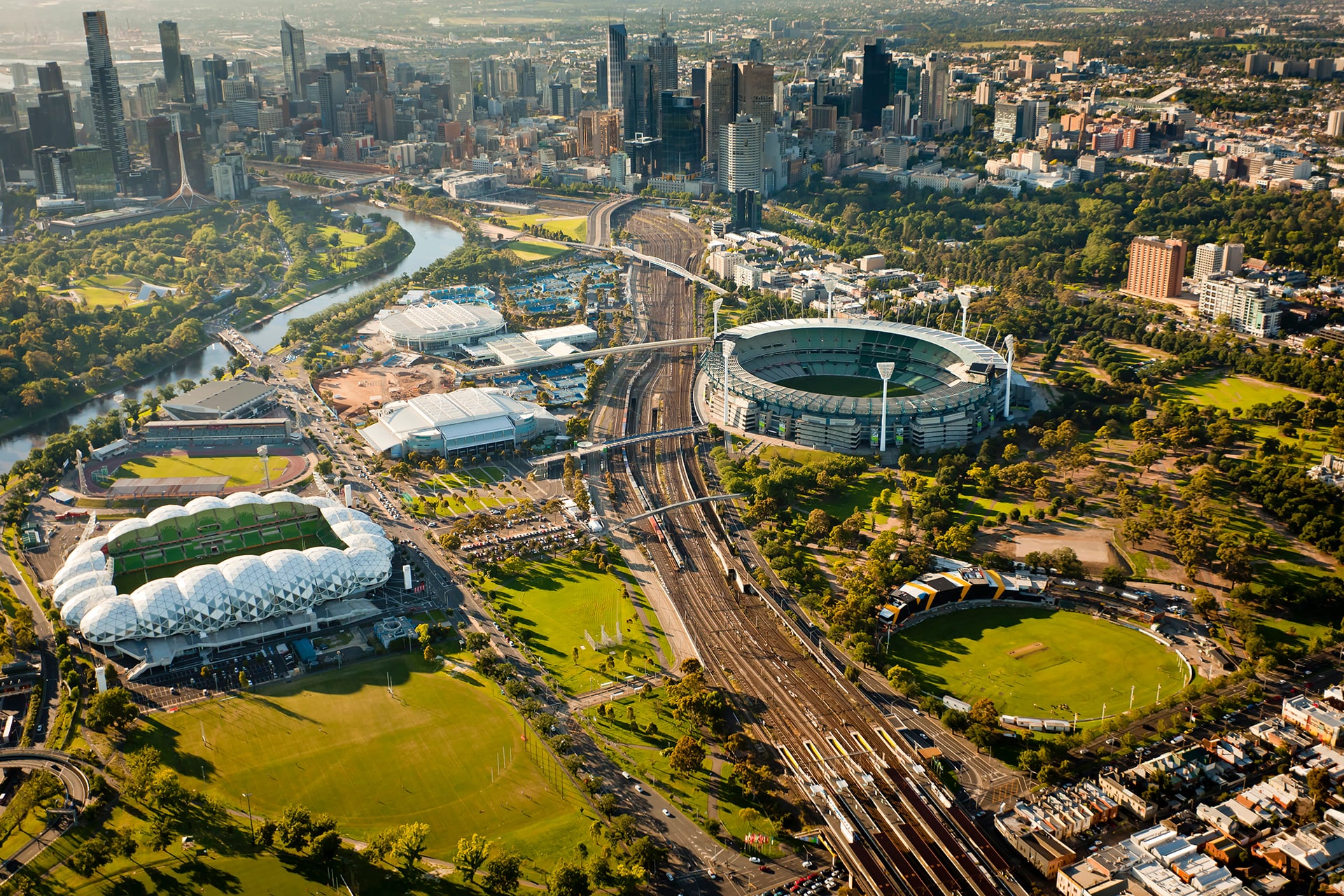
Best Suburbs to Invest in Melbourne 2026
December 11, 2025 • 4 minutesMelbourne’s property market is about to wake up. After years of underperformance compared to Sydney and Brisbane, the city is forecast to lead Australia’s property growth in 2026, making it prime time to identify the right suburb to invest in Melbourne before prices surge.
According to KPMG’s latest Residential Property Market Outlook, Melbourne house prices are projected to climb 6.6% in 2026, whilst unit prices are tipped to rise 7.1% – the strongest forecast of any capital city except Darwin. That’s roughly $64,900 added to a median house and $43,000 to a typical unit within 12 months.
So, which is the best suburb to invest in Melbourne right now? It depends on your budget, risk tolerance, and investment timeline. However, the smart money is focusing on affordable outer growth corridors and established middle-ring suburbs that benefit from major infrastructure projects.
Key Insights
- Market forecast: 6.6% house growth, 7.1% unit growth expected in 2026 (KPMG)
- Best areas: Outer growth corridors (Cranbourne, Pakenham, Donnybrook) and middle-ring suburbs (Ringwood, Coburg, Bayswater)
- Key drivers: Infrastructure spending ($100+ billion), tight vacancy rates (1.1-1.4%), population growth, relative affordability
- Who’s buying: First-home buyers, interstate investors, affordability-driven upgraders
Contents
Why Melbourne in 2026?
Melbourne property has been the underperformer for the past few years. CoreLogic data shows that Melbourne’s median house price has grown by just 8.4% over the past four and a half years, while Sydney climbed 27.7% and Perth surged 77%.
But that’s exactly why investors are paying attention. Melbourne is currently about 13% undervalued compared to historical price ratios with Sydney, according to ANZ economists. Add in expected interest rate cuts, booming population growth and massive infrastructure investment (including the Metro Tunnel opening in February 2026 and the ongoing Suburban Rail Loop), and you’ve got the recipe for a turnaround.
The rental market tells the same story. Vacancy rates in Melbourne sit around 1.1-1.4%, indicating strong tenant demand and stable rental yields for investors. That’s a far cry from the oversupply concerns that plagued the market a few years back.
What Makes a Great Suburb to Invest in Melbourne?
Not every suburb will ride the 2026 wave equally. When evaluating where to invest, look for these characteristics:
- Transport connectivity: Suburbs on train lines or near major road upgrades consistently outperform. The Metro Tunnel, which opens in February 2026, will transform accessibility for suburbs like Sunshine, Pakenham, and Cranbourne.
- Affordability relative to wages: Properties under $800,000 are attracting first-home buyers and investors priced out of Sydney and Brisbane. This drives both owner-occupier and rental demand.
- Infrastructure investment: New schools, hospitals, shopping centres, and employment hubs increase liveability and property values. Melbourne’s northern and south-eastern growth corridors are seeing billions in public and private development.
- Rental yield and vacancy rates: Suburbs with vacancy rates below 1% and rental yields above 4% offer immediate income whilst you wait for capital growth.
Top Suburbs to Invest in Melbourne for 2026
Based on current data and market forecasts, here are three suburbs worth investigating:
Cranbourne (South-East)
One of Melbourne’s fastest-growing areas, Cranbourne offers median house prices around $651,000 with rental yields near 4.1%. It’s 43km from the CBD, with improving transport links and plenty of new housing estates attracting young families. The Metro Tunnel will further boost accessibility from February 2026.
Pakenham (South-East)
With a median house price around $650,000 and rental yields of 4.3%, Pakenham has seen consistent population growth for two decades. The suburb benefits from established amenities, schools, and direct train access to the city. New estates continue to draw buyers and renters alike.
Bayswater (East)
For buyers with a higher budget (median $870,000), Bayswater offers proximity to the CBD (just 26km) whilst maintaining affordability compared to inner suburbs. Vacancy rates sit at 0.6% with rental growth of 11% over the past year. The suburb features excellent transport links, schools, and green spaces, including nearby Doongalla Forest.
Other suburbs attracting attention include Coburg (inner north), Ringwood (established east), and Donnybrook (emerging north). Each offers different risk-reward profiles depending on your investment strategy.

Making Your Investment Work
Choosing the right suburb to invest in Melbourne is only half the battle. You also need the right finance structure, an understanding of your cash flow requirements, and a clear exit strategy.
That’s where expert guidance makes the difference. Whether you’re a first-time investor or adding to your portfolio, working with a financial advisor can help you structure your investment for maximum tax efficiency and long-term wealth creation. And if you need competitive finance to secure your property, a mortgage broker in Melbourne can compare dozens of lenders to find the best rate and loan features for your situation.
Melbourne’s 2026 opportunity won’t last forever. Once interest rates drop and buyer confidence fully returns, competition will intensify and prices will climb. The suburbs that look affordable today might be out of reach within 12-24 months.
Want to explore your investment options? Speak with Inovayt’s team to map out your property strategy and secure the right finance to make it happen.